Palazzo Doria Pamphilj: A Complete Visitor Guide
I have spent fifteen years walking visitors through Rome’s private palace collections, and the Galleria Doria Pamphilj is one of the reasons people make the trip. It is a genuine great collection—more than four hundred works, hung in the dense floor-to-ceiling style of a house where a family still lives. The door price is €16. Here is what that gets you, why it includes more than you might think, and when to just turn up.
Planning your visit?Timed slots are limited, and cancellation is free up to 24 hours before. Reserve today, decide later.
Check ticket availabilityWhich Doria Pamphilj this is
Villa Doria Pamphili is a free public park in west Rome, about five kilometres away. The Galleria is a paid private collection on Via del Corso, in the centre. They share a name and visitors book the wrong one. Google’s own AI Overview lists this under "Common Confusion"—that gap is worth closing before you open your wallet.
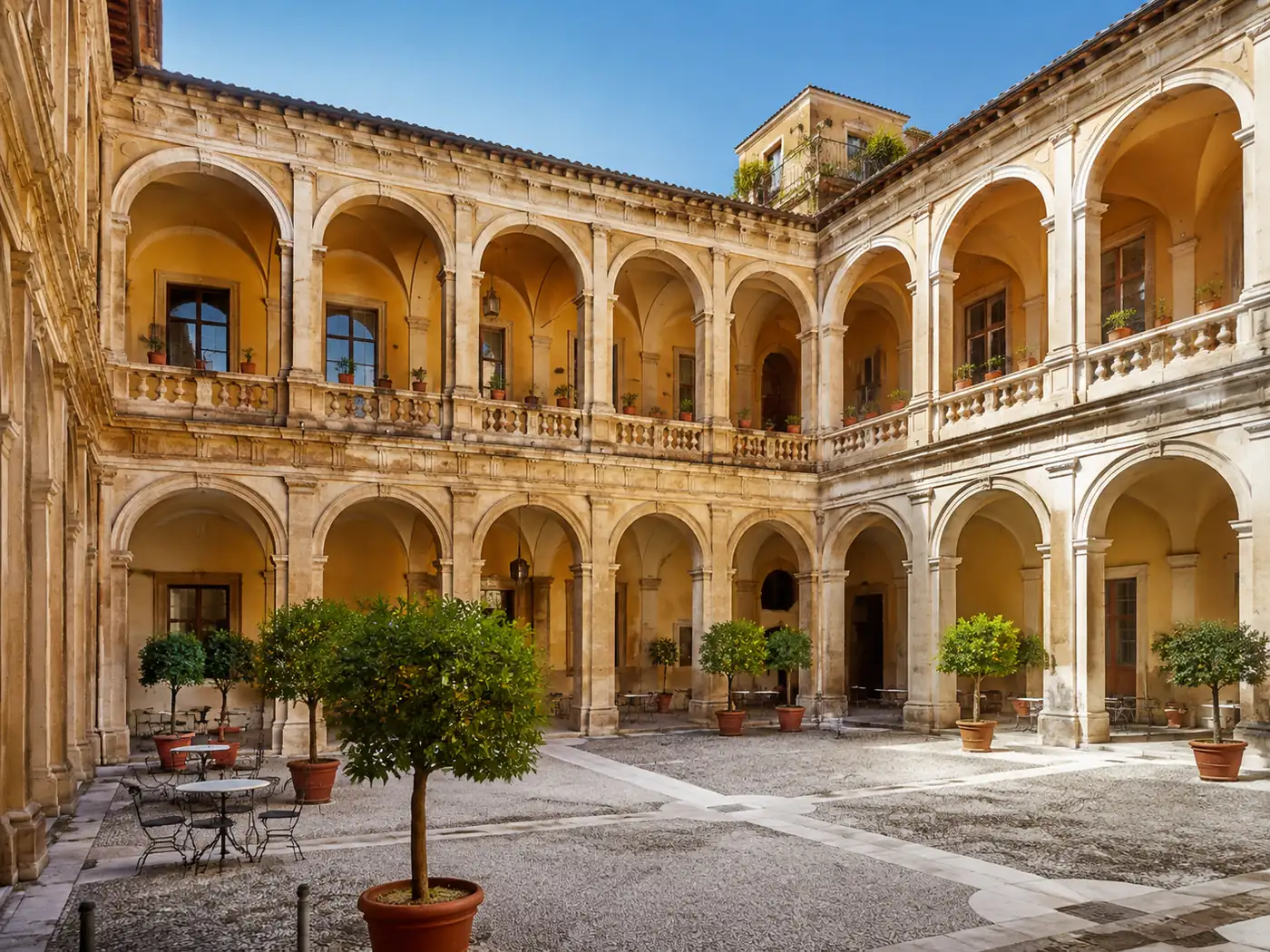
The gallery sits inside Palazzo Doria Pamphilj, which was built in the sixteenth century and expanded in the seventeenth under Pope Innocent X Pamphilj. The family still lives there; it has been owned by Jonathan Doria Pamphilj and Gesine Pogson Doria Pamphilj since the death of Princess Orietta in 2000. That is why the hang is dense and the labels sparse—it is a house, not a museum. You buy entry to a family’s collection, not a curated exhibition.
What the €16 door price actually includes
The €16 ticket gives you: entry to all four wings that hang works floor to ceiling around the courtyard; the audio guide, narrated by Prince Jonathan himself in Italian, English, French and Spanish; and the Private Apartments—Sala del Trono, Sala Azzurra, and four smaller rooms with 19th-century frescoes and gilded mirrors. That last part is important, because listings sold as "Private Apartments included" as an upgrade are selling something the base ticket has carried since 1 August 2023. You are not supposed to pay extra for those rooms.
The €17 online price adds a €1 booking fee and reserves your entry to a specific 30-minute slot. The resold listings run €15 to €30, and they generally add the same slot, or a bundle (Secret Apartments, a guide, or a concert evening), or both. Read what extra money actually buys before you assume online costs more. One resold listing currently sits at €15, below the door price.
How the collection is hung and why it matters
Four gilded wings run in a cross around the courtyard. Works hang chronologically, floor to ceiling, in the style of a centuries-old private collection where each piece was acquired for a room in a house. That dense arrangement means there is much more to see than in a museum hang, but it also means you cannot just skip from highlight to highlight. The audio guide helps; it names the works worth your time. Most people spend two to three hours here, though some move fast in an hour and others linger for four.
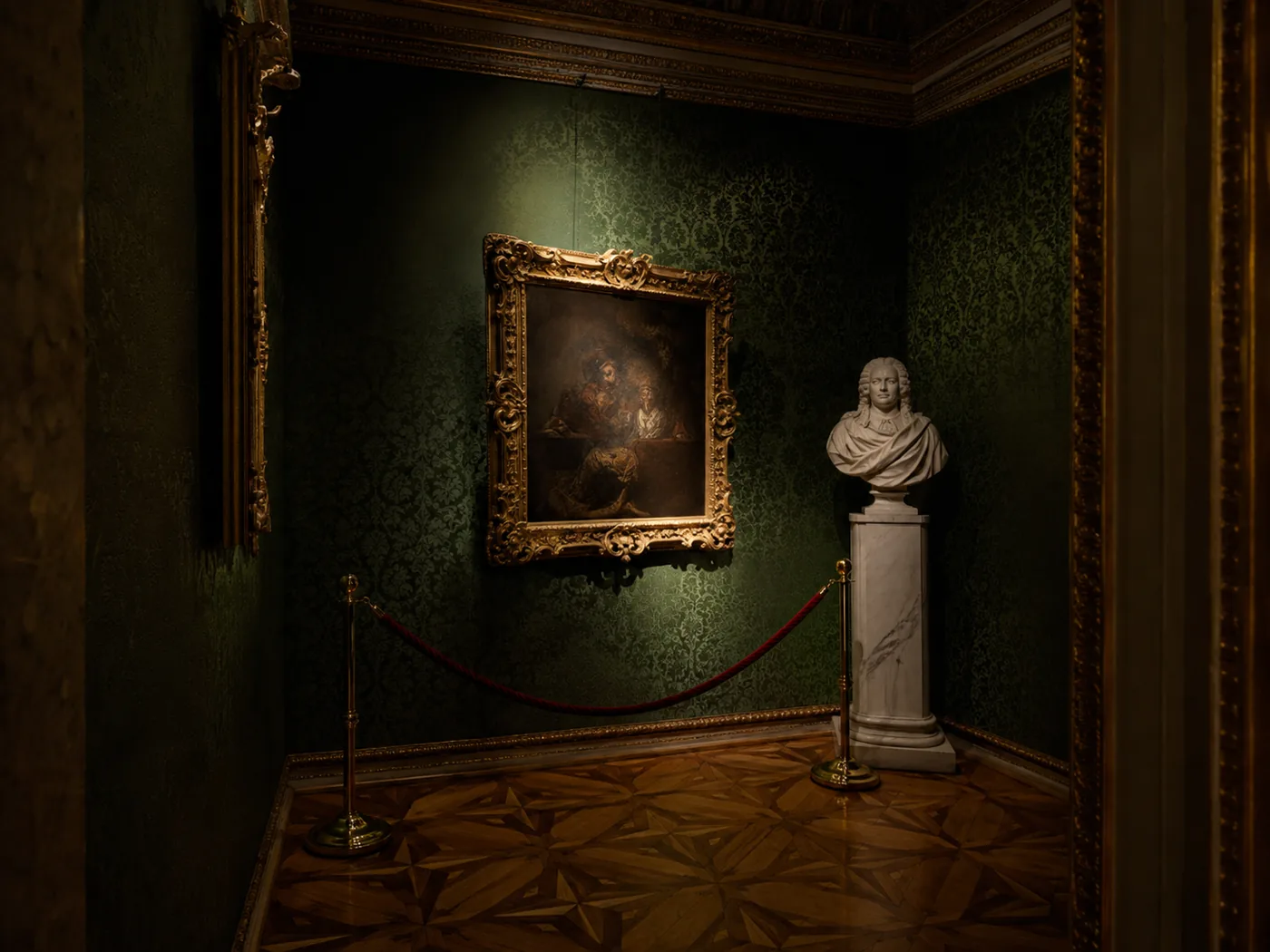
A key point: the Velázquez cabinet empties out for about ten minutes just after opening, roughly half an hour after the doors unlock. The portrait is the single most famous work in the building. If you want to stand in front of it with fewer people, time your arrival accordingly.
The paintings worth planning around
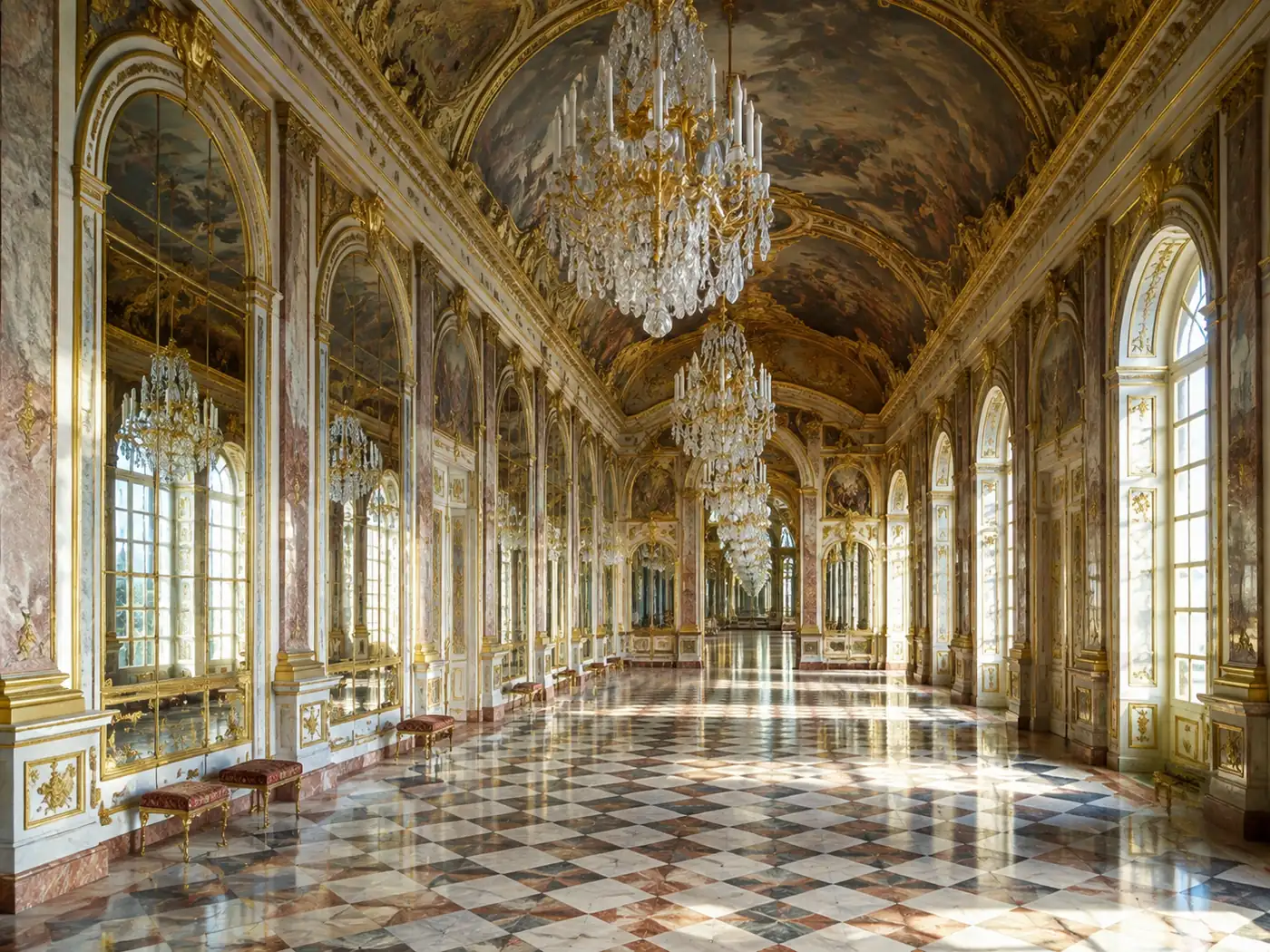
Diego Velázquez’s Portrait of Innocent X, painted about 1650, is shown in its own small cabinet next to Gian Lorenzo Bernini’s marble bust of the same pope. That is the centrepiece. Then there are two Caravaggios—Rest on the Flight into Egypt and Penitent Magdalene, both early works—hung in the sequence. A Raphael, Holy Family with St John the Baptist. Titians, including Salome with the Head of John the Baptist. The Galleria degli Specchi—the Hall of Mirrors—that connects the wings and photographs well. A chapel by Carlo Fontana. And ceilings that one visitor, Mindy, specifically came back to rave about.
When to go and what a 30-minute entry slot means
The gallery opens Monday, Tuesday and Thursday 9 a.m. to 7 p.m., Friday to Sunday 10 a.m. to 8 p.m. Closed every Wednesday, plus 1 January, Easter Sunday and 25 December. Last entry is one hour before closing and slots are released every thirty minutes.
A 30-minute entry slot does not mean you have thirty minutes to visit. It means that is when your ticket is valid and you can enter. Visitors spend one to three hours inside; there is no ejection after thirty minutes. The slot only matters if the gallery were to sell out—and it rarely does. One reviewer paid €30 online when the desk price was €17 and the gallery was not crowded. Another bought at the desk on the day with no queue. Most days you can walk straight in, book or no booking.
Book ahead if you need a fixed entry time to fit a tight Rome itinerary, if you are travelling in a group that cannot afford to stand around, if you want a guide rather than the audio device, or if you want the Secret Apartments or an evening concert—those are sold separately. Otherwise, save the booking fee and buy at the desk.
The galleries you can visit on a Monday
The Galleria Borghese closes on Mondays. The Palazzo Doria Pamphilj does not. If your Rome itinerary has a Monday gap and you were counting on the Borghese, this gallery is the answer. It is open, it is central, and it holds genuine masterpieces. One reviewer found exactly this—a Borghese closure and a Doria Pamphilj open door.
The bottom line
This is a genuinely wonderful collection in one of Rome’s calmest private spaces. The €16 door price is honest and it includes far more than most listings suggest. The audio guide is excellent. Plan two to three hours and turn up during your entry slot—or book at the desk on the day if you prefer. Either way, bring the list of paintings above and take your time with each wing. The ceilings alone are worth your visit.
Ready to book?
If you would rather hold a fixed entry time before you fly, the widget below shows live availability. If you would rather keep the money, walk up to the desk on Via del Corso and buy there — I have said as much on the prices page and I stand by it.
Frequently asked questions
What does the standard ticket include?
Entry to the state rooms and the picture galleries, the Private Apartments, and the audio guide narrated by the family. The Secret Apartments on the ground floor are a separate ticket — see the secret apartments page.
How long should I allow?
Two to three hours is the honest answer for someone who uses the audio guide. An hour gets you the four wings at a brisk pace. More detail on how long to visit.
Do I need to book in advance?
Not usually. The gallery rarely sells out, and buying at the desk is the cheapest way in. Booking ahead buys you a fixed 30-minute entry slot, which is worth something on a tight Rome itinerary. Compare the options on the tickets page.